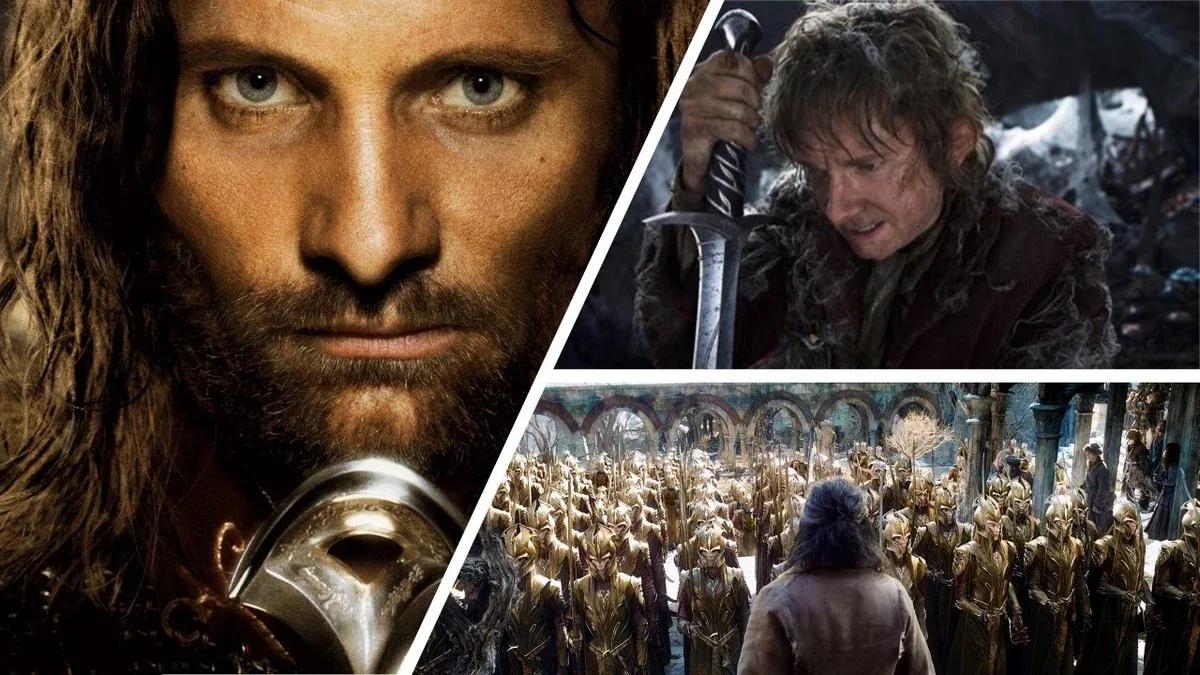
For a first watch, follow the Lord of the Rings movies in order of release: Fellowship of the Ring, The Two Towers and The Return of the King, then the three Hobbit films. For story order, put The Hobbit before the original trilogy. The animated War of the Rohirrim is an additional earlier-set story, not a fourth chapter of Frodo's movie trilogy.
What is the Lord of the Rings movies in order release list?
This modern feature checklist uses the two trilogies in the Rotten Tomatoes adaptation guide, followed by the later animated film.
Movie | Year |
|---|---|
The Lord of the Rings: The Fellowship of the Ring | 2001 |
The Lord of the Rings: The Two Towers | 2002 |
The Lord of the Rings: The Return of the King | 2003 |
The Hobbit: An Unexpected Journey | 2012 |
The Hobbit: The Desolation of Smaug | 2013 |
The Hobbit: The Battle of the Five Armies | 2014 |
The Lord of the Rings: The War of the Rohirrim | 2024 |
The six live-action entries are two three-film projects. Keeping those groups together gives you places to pause without interrupting a story to jump between release eras.
Should I watch The Hobbit first?
We recommend Fellowship first for newcomers, then The Hobbit after finishing the original trilogy. That's a viewing recommendation, rather than the fictional chronology.
For a chronological rewatch of the six live-action films, use An Unexpected Journey, The Desolation of Smaug and The Battle of the Five Armies, followed by Fellowship, The Two Towers and The Return of the King. Keep the order within each trilogy unchanged.
If someone in your group is new, choose the route before discussing why characters return or what happens to them. A plot-heavy timeline explanation can reveal more than you need simply to choose the next film.
Where does The War of the Rohirrim fit?
It's set 183 years before the original trilogy, according to the official film site. The 2024 release is an anime feature, so label its format separately from the six live-action films.
For a broad modern story-order project, place it before The Hobbit and then the original trilogy. For release order, watch it after the six live-action entries. You can also save it as a separate visit to Middle-earth after completing the two trilogies.
Do I need The Rings of Power before the films?
Our movie-only recommendation doesn't require it. The Amazon viewing guide identifies The Rings of Power as television set thousands of years before The Hobbit and The Lord of the Rings.
That earlier setting doesn't mean a newcomer must watch every season before Fellowship. If you want a wider screen-history project, label the series separately rather than treating it as another movie in the table.
Should I choose theatrical or extended editions?
Choose one version of each film and follow the same sequence. An extended edition doesn't create another sequel or change which installment follows it.
For a first watch, we'd choose the version that fits your available time. If you're arranging several evenings with friends, check the actual edition and runtime before sharing the schedule. Avoid mixing a theatrical runtime estimate with an extended copy on the night.
For optional performer background afterward, see our Cate Blanchett page. For another fantasy adaptation to plan separately, our Narnia guide covers its release details.
What is the difference between Frodo's trilogy and Bilbo's?
The original Lord of the Rings film trilogy follows Frodo's story, while The Hobbit trilogy follows Bilbo's earlier adventure. That is a helpful distinction when a catalog places all six live-action films under one broad Middle-earth label. The films share a setting, but their trilogy names still tell you which sequence you are entering.
For a first watch, we prefer meeting the setting through The Fellowship of the Ring and following that trilogy to completion. Then begin An Unexpected Journey if you want the earlier adventure. This preserves the release-era introduction without pretending it is the fictional chronology.
On a rewatch, switching the trilogy groups gives you the straightforward chronological route. The order inside each group stays fixed. You don't need to split a movie into scenes or shift The Two Towers away from its place between Fellowship and The Return of the King.
What are the clearest starting plans?
Choose one of the following projects before adding television or older adaptations. Each has a clear scope, so you can finish a coherent selection without treating every screen version as required preparation.
Plan | Sequence | Best reason to choose it |
|---|---|---|
Original trilogy first | Fellowship, Two Towers, Return of the King | A focused first introduction |
Modern live-action release order | Original trilogy, then Hobbit trilogy | Follow the two film projects as released |
Modern live-action story order | Hobbit trilogy, then original trilogy | Revisit the earlier adventure first |
Broader modern feature chronology | Rohirrim, Hobbit trilogy, original trilogy | Include the earlier-set animated feature |
These are alternatives, not four assignments to complete one after another. Decide how much viewing you actually want. You can stop after the original trilogy and return to The Hobbit later without losing your place in a mixed-format checklist.
What does The War of the Rohirrim add?
It focuses on an earlier story about Rohan rather than continuing Frodo's trilogy after The Return of the King. The official site identifies Helm Hammerhand and his daughter Héra among its central figures and Kenji Kamiyama as director. Its anime format is another reason to give it a separate label on a shared movie plan.
Miranda Otto returns as Éowyn in the role of narrator. That is a production connection, rather than a reason to describe the film as a fourth installment in Frodo's sequence. You can recognize the connection while still keeping the story's much earlier setting clear.
For a first visit, we would leave it until after the live-action trilogies. For a chronology project, put it first as described above. Both choices use the same film; the difference is whether release order or the broad fictional setting is your organizing rule.
How should you choose between theatrical and extended editions?
Choose according to the time and attention you want to give the first watch. This article doesn't require an extended edition as a condition for understanding the title sequence. Either way, complete the chosen version of Fellowship before moving to The Two Towers, then continue to The Return of the King.
If your group has different copies, agree on the edition beforehand. Otherwise, people following a shared remote schedule may have different running times or finish at different points. Use the duration displayed for the copy you will actually play rather than relying on a generic franchise estimate.
For a rewatch, trying a different edition can become its own comparison project. Keep that separate from the franchise count: an extended Fellowship is a version of Fellowship, not another movie to insert before The Two Towers. Bonus documentaries and deleted scenes likewise belong beside the viewing plan rather than between numbered installments.
Can you finish the films before trying The Rings of Power?
Yes. The television series is outside this movie-only route, and its earlier setting doesn't make every season a prerequisite for starting Fellowship. You can finish the feature project first, then decide whether you want a longer television commitment.
Keep a separate series checklist if you do choose to add it. A season and a feature are different scheduling units, and combining them without labels can make a simple movie question much harder to answer. Our film table intentionally avoids that problem.
The same care applies to older screen adaptations. The modern table states its scope instead of claiming to contain every film ever based on Tolkien's work. If your interest becomes adaptation history, build a separate list for that purpose rather than assuming an omitted older title is a missing chapter in these two trilogies.
How can you plan a watch with newcomers?
Give them the next full film title and the route you chose, then leave detailed histories for later. Character background pages and timeline summaries can contain outcomes from films farther down the list. Even a helpful explanation of why a familiar name returns can reveal more than someone wanted.
After completing a trilogy, pause to decide what interests the group next. You might move to the earlier Bilbo story, try the animated feature, or take a break. Having a natural stopping point makes a large setting approachable without needing to finish every adaptation at once.
When you return, use the last completed title and edition as your bookmark. That will tell you more than a vague reminder to continue Lord of the Rings, especially if your digital library groups the films, extras and television together.
What is the easiest starting plan?
Start with Fellowship and complete the original trilogy. Add The Hobbit afterward, then choose Rohirrim or television if you want more. This guide focuses on the modern films checked on November 12, 2026, with older screen adaptations left as a separate project.
Frequently asked questions
Which film follows The Two Towers?
The Return of the King completes the original trilogy. The Hobbit films are an earlier-set separate trilogy.
Is The Hobbit one movie?
The modern live-action adaptation has three films. Watch An Unexpected Journey, The Desolation of Smaug and The Battle of the Five Armies in that order.
Is Rohirrim live action?
No, the 2024 film is an anime feature. Keep it separately labeled when choosing your watch route.
Do extended editions change the order?
No, the sequence stays the same. Check the edition's running time when planning each session.